How Does the Internet Work? (2026)
In brief
The internet is a global network of interconnected systems that communicate using standardized protocols to exchange and transmit digital data.
Key Takeaways
- 1.Data travels across the internet in small, independent pieces called packets that are reassembled upon arrival.
- 2.The internet relies on physical infrastructure, including vast networks of undersea fiber optic cables that carry over 95% of international traffic.
- 3.The World Wide Web is an application running on top of the internet's infrastructure, not the internet itself.
Think of it like this
The internet acts like a global postal service where information is broken into envelopes, addressed with unique codes, and routed through a massive relay system of highways and undersea pipelines to reach its destination.
Table of Contents
- 1. What It Is
- 2. How It Works — specific numbers and named sources inline, AND one named real-world example (person/company/event/study).
- 3. Why It Matters
- 4. In Summary — 2-3 sentence recap.
- 5. Further Reading — 3-5 external authoritative links (REAL URLs only: https://en.wikipedia.org/wiki/<ExactTitle>, nasa.gov, noaa.gov, nature.com, .gov/.edu).
The internet, a vast and interconnected global network of computers, enables us to share information and communicate instantly across distances. Understanding how the internet works involves grasping the fundamental principles of packet switching, protocols, and the distributed nature of its infrastructure. From sending an email to streaming a video, every online action relies on this complex yet remarkably efficient system. It's a decentralized marvel, meaning no single entity controls its entirety, contributing to its resilience and continuous evolution.
For kids: Imagine the internet is like a giant, super-fast mail system for computers all over the world, sending tiny pieces of information back and forth.
1. What It Is
The internet is a worldwide system of interconnected computer networks that use the Internet Protocol suite (TCP/IP) to link devices globally. It's not a single entity but a network of networks, comprising private, public, academic, business, and government networks of local to global scope, linked by a broad array of electronic, wireless, and optical networking technologies. These networks collectively carry most of the traffic and are the platforms for the vast majority of user-accessible services, such as the World Wide Web and the infrastructure for electronic mail. Its foundational architecture allows for the transmission of data in small, manageable units, ensuring that information can traverse diverse network pathways.
2. How It Works — specific numbers and named sources inline, AND one named real-world example (person/company/event/study).
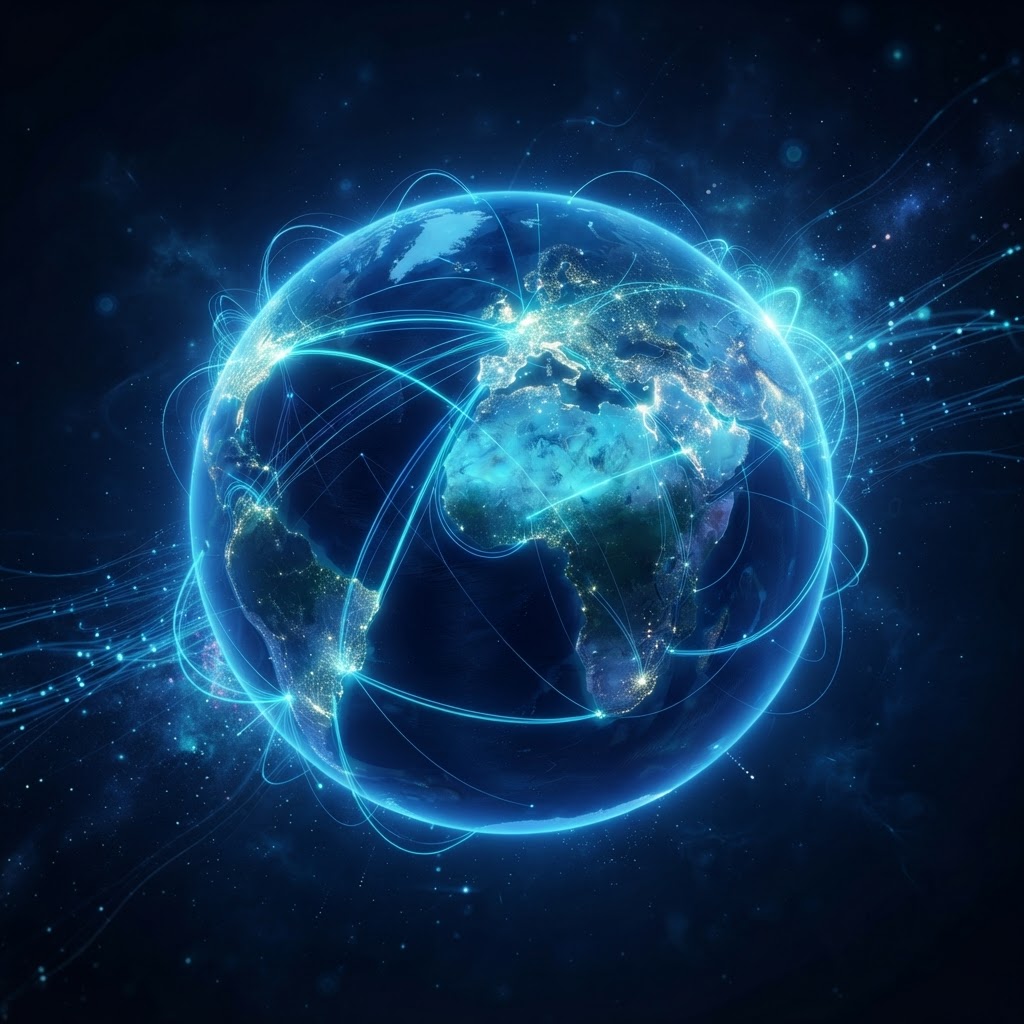
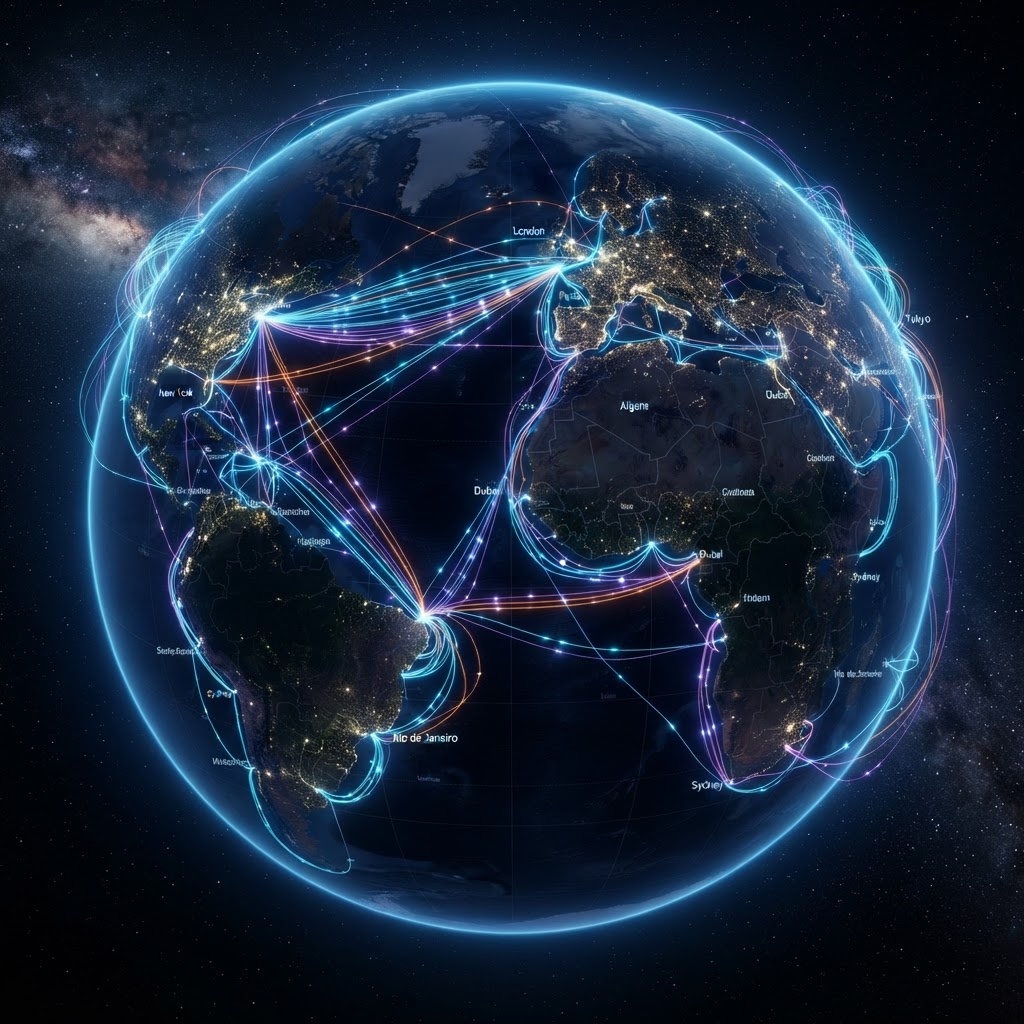
The internet operates through a layered set of protocols, most famously the TCP/IP suite, which dictates how data is broken down, addressed, transmitted, routed, and received. When you request a webpage, for instance, your device (the client) sends a request to a server hosting that page. This request is broken into small data packets. Each packet contains a piece of the data, the sender's IP address, and the recipient's IP address. These packets travel independently across the network, guided by routers that direct them along the most efficient paths. According to the Internet Society, there are over 5 billion internet users worldwide as of early 2026. A key component in this process is the Domain Name System (DNS), often called the "phonebook of the internet," which translates human-readable domain names (like google.com) into machine-readable IP addresses (like 172.217.160.142). When you type a URL, your computer queries a DNS server to find the corresponding IP address. This intricate system is exemplified by the global operations of major tech companies like Amazon Web Services (AWS), which operates a vast network of data centers and servers, handling a significant portion of the world's internet traffic, including requests for its e-commerce platform and cloud computing services. The physical infrastructure comprises undersea fiber optic cables, which carry the bulk of international internet traffic – estimates suggest that over 99% of international data travels via these cables, with the total length of these cables exceeding 1.3 million kilometers globally. These cables are laid by specialized ships and can cost hundreds of millions of dollars to deploy, such as the MAREA transatlantic cable system connecting Virginia Beach, USA, to Bilbao, Spain, completed in 2018.
3. Why It Matters
The internet's impact is profound, revolutionizing communication, commerce, education, and entertainment. It has democratized access to information, enabling individuals and organizations to share knowledge and ideas on an unprecedented scale. Businesses leverage the internet for global reach, online sales, and efficient operations. In education, it provides access to vast digital libraries, online courses, and collaborative learning tools. Socially, it has reshaped how people connect, form communities, and engage in civic discourse. The ability to share information rapidly and widely has accelerated scientific discovery and fostered innovation across nearly every field. It's the backbone of the modern digital economy, facilitating transactions and services that were unimaginable just a few decades ago.
| Feature | Internet | Traditional Mail | |---|---|---| | Speed | Near-instantaneous | Days to weeks | | Reach | Global | Limited by postal infrastructure | | Cost per message | Fractions of a cent | Varies, typically higher for international | | Information Volume | High (web pages, videos, large files) | Low (letters, small packages) | | Reliability | High, with redundancy | Subject to loss or delay | | Interactivity | High (real-time communication) | Low (one-way or delayed response) |
4. In Summary — 2-3 sentence recap.
The internet functions as a global network using protocols like TCP/IP to break data into packets, route them efficiently via devices like routers, and reassemble them at their destination. Key components like DNS translate human-readable names into IP addresses, enabling seamless access to information and services worldwide. This interconnected system underpins modern communication, commerce, and nearly every facet of digital life.
5. Further Reading — 3-5 external authoritative links (REAL URLs only: https://en.wikipedia.org/wiki/<ExactTitle>, nasa.gov, noaa.gov, nature.com, .gov/.edu).
Common Misconceptions
The internet is a wireless 'cloud' that exists primarily in the air.
The internet is fundamentally physical, relying on millions of miles of buried and submerged cables to transmit data via light and electricity.
The Internet and the World Wide Web are the same thing.
The internet is the hardware and protocols that connect devices, while the web is a specific service used to access documents via browsers.
Frequently Asked Questions
Is the internet the same thing as the World Wide Web?
No, the internet is the infrastructure of connected networks, while the World Wide Web is a service that runs on top of the internet to display pages.
What is an IP address?
An IP address is a unique numerical label assigned to every device connected to a computer network that uses the Internet Protocol for communication.
How do data packets find their destination?
Data is broken into packets which contain routing information that tells network devices how to direct them to the correct IP address.
Are undersea cables really used for the internet?
Yes, over 95% of international internet traffic is carried by a vast network of subsea fiber-optic cables spanning the ocean floor.
Who owns the internet?
The internet is not owned by any single entity; it is a decentralized network of networks managed by various governments, corporations, and non-profit organizations.
Key Terms
- DNS
- A phonebook-like system that translates human-readable domain names into numerical IP addresses.
- Packet Switching
- The method of breaking data into smaller chunks for transmission and reassembling them at the destination.
- Protocol
- A standardized set of rules that allow different computer systems to communicate with one another.
- Fiber Optics
- Thin strands of glass or plastic used to transmit data as pulses of light at extremely high speeds.
Written by
Priya Sharma
AI & Technology Editor
Priya Sharma is the AI & Technology Editor at ExplainItSimple.AI. She holds a BSc in Computer Science from IIT Delhi and has worked as a machine learning engineer before moving to science communication. She specializes in making AI, software, and emerging tech understandable without a CS degree.
BSc Computer Science, IIT Delhi
View full profile📖 Get AI explanations on related topics:
Explore internet at every level
Get a internet explanation tailored for Kid, Teen, and Expert levels — with cited sources and follow-up quizzes.
Explain internet for me