Why Do We Get Sick? (2026)
In brief
Getting sick happens when harmful bacteria or viruses invade the body, triggering an immune response that often results in physical symptoms.
Key Takeaways
- 1.Bacteria are single-celled organisms that can often be treated with antibiotics, whereas viruses require host cells to replicate and are unaffected by antibiotics.
- 2.Many common symptoms like fever, fatigue, and inflammation are not direct damage from germs, but are actually side effects of your immune system actively fighting an infection.
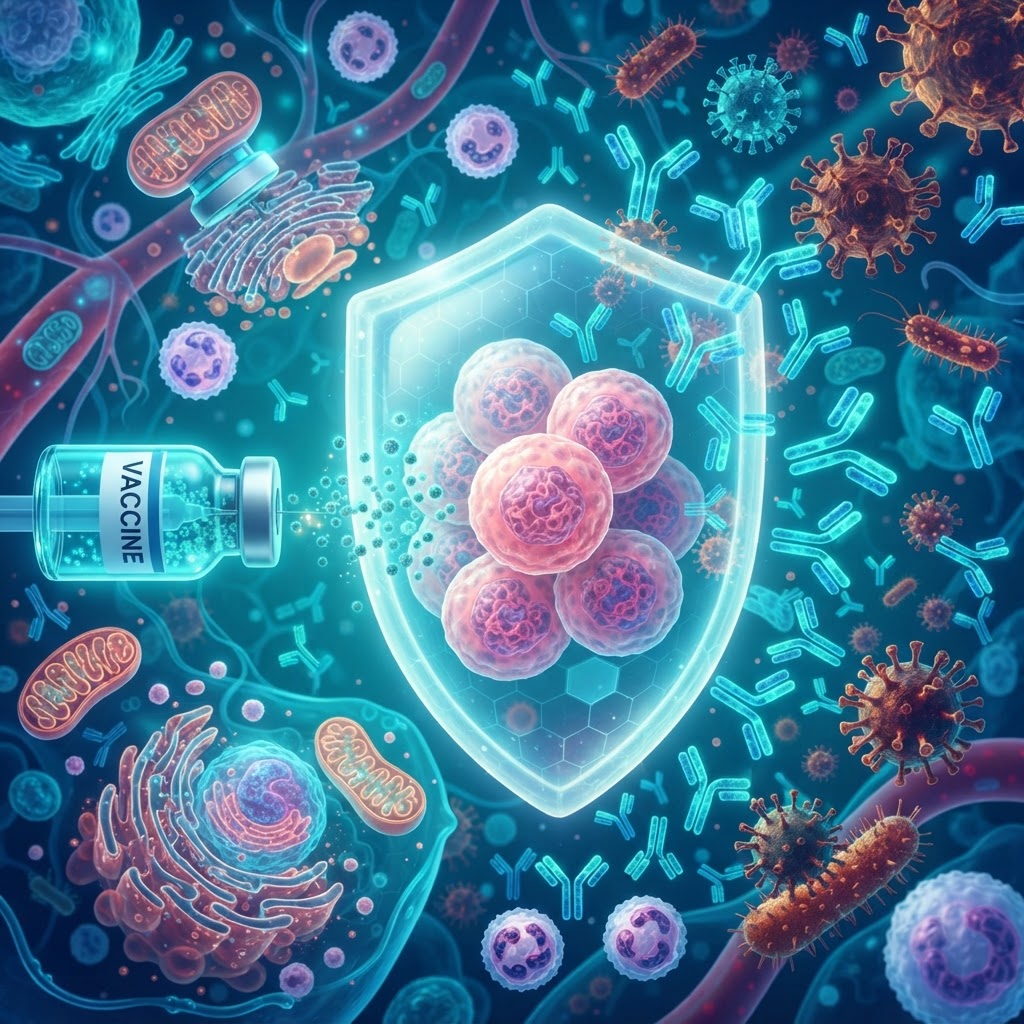
- 3.Vaccines prepare the body to fight specific pathogens by providing a controlled introduction to the germ, allowing the immune system to build antibodies without the risk of severe illness.
Think of it like this
Your immune system is like a highly trained security force that intentionally triggers a loud fire alarm to clear out an intruder, even though the noise itself is what makes the building uncomfortable to occupy.
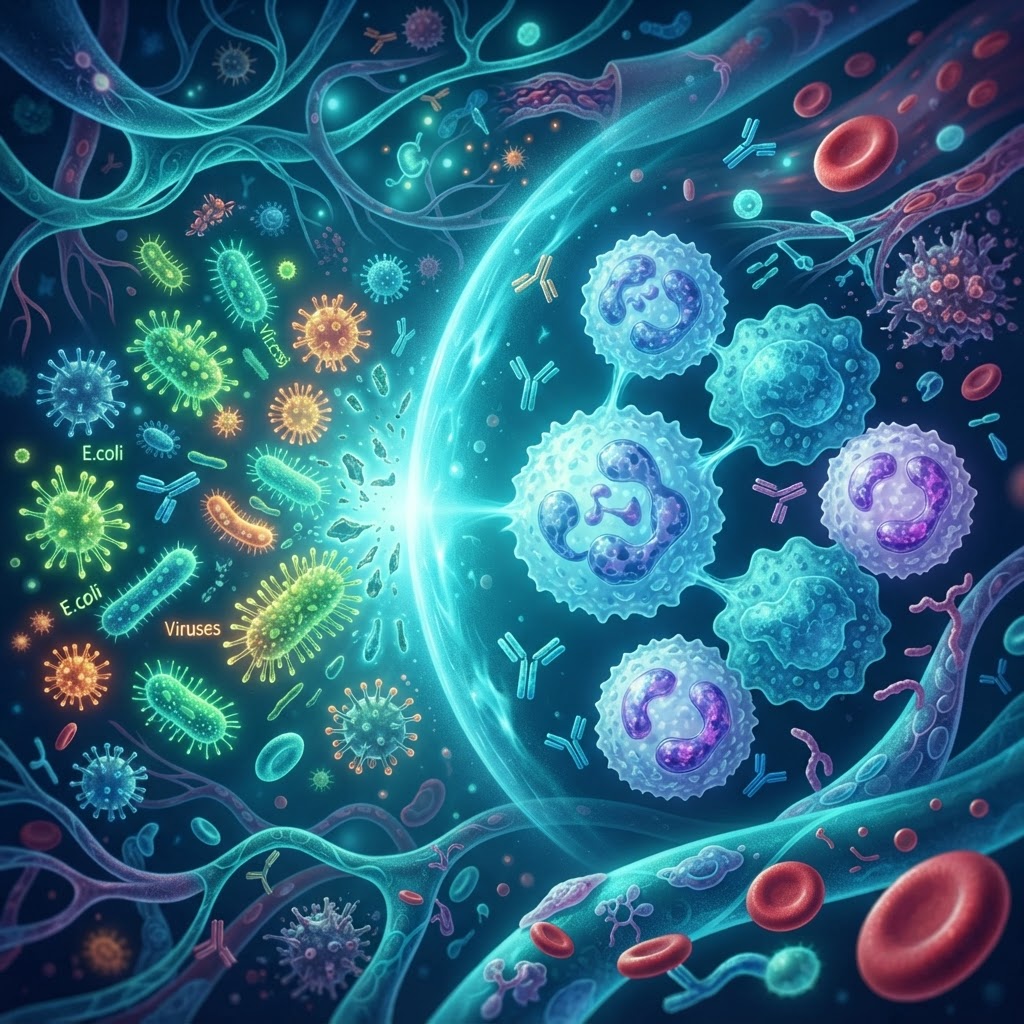
Getting sick is primarily the result of your body interacting with microscopic invaders such as pathogens, including bacteria, viruses, and fungi, which trigger a defensive response from your immune-system. When these external agents bypass your body's physical barriers—like your skin or mucous membranes—they begin to multiply and disrupt normal biological functions. The symptoms you experience, such as a fever, inflammation, or fatigue, are actually the outward signs of your internal defense forces mobilizing to neutralize the threat. While this process can feel uncomfortable, it is a highly evolved mechanism designed to ensure survival against an ever-changing environment of biological risks. Understanding why we get sick requires looking at the complex interplay between environmental exposure, cellular biology, and the constant surveillance efforts of our internal systems that monitor for foreign molecular patterns.
For kids: Getting sick is like a tiny tug-of-war where your body is the playground and germs are trying to take over, so your immune system builds a fortress to chase them away.
1. What It Is
Being sick, or experiencing disease, occurs when the normal structure or function of the body is impaired by an infectious agent or a malfunction in internal systems. Infectious diseases are caused by microscopic organisms that enter the body, find a suitable environment, and begin to reproduce rapidly. These organisms include bacteria, which are single-celled life forms, and viruses, which are essentially genetic material wrapped in a protein coat. Non-infectious causes can include genetic predispositions, environmental stressors, or lifestyle choices that disrupt homeostasis. When these disruptions occur, the body initiates a systemic response to restore balance, which we interpret as the unpleasant symptoms of being ill.
2. How It Works
When a pathogen enters your system, your immune system acts as a sophisticated network of sensors and weapons. According to the National Institutes of Health (NIH), the innate immune system provides the first line of defense, utilizing white blood cells like neutrophils and macrophages to ingest invaders within minutes or hours. For example, during a typical influenza infection, the virus uses protein spikes to attach to cells in the respiratory tract. A landmark study published by the Centers for Disease Control and Prevention (CDC) highlighted that these viruses can spread through droplets at speeds of up to 100 miles per hour during a sneeze. The adaptive immune system follows, where B-cells produce specific antibodies tailored to the unique molecular signature of the pathogen. This precise lock-and-key mechanism ensures that once a pathogen is identified, the body develops a long-term memory of it to prevent future infections, a process that forms the basis for how vaccinations work in millions of individuals globally.
3. Why It Matters
Understanding the biological mechanics of illness is crucial for public health, personal hygiene, and the advancement of modern medicine. By recognizing how transmission occurs, individuals can adopt preventative habits like handwashing, which significantly reduces the viral load on surfaces. Furthermore, this knowledge drives the development of life-saving therapeutics, such as antibiotics for bacterial infections or antiviral drugs that inhibit the replication cycle of viruses. On a societal level, maintaining a healthy population preserves economic stability and ensures that healthcare resources remain available for those with critical needs. By studying the pathways of disease, scientists have successfully eradicated or controlled major threats like smallpox and polio, demonstrating the power of evidence-based health practices.
| Feature | Bacterial Infection | Viral Infection | | :--- | :--- | :--- | | Nature | Single-celled living organism | Genetic material in protein coat | | Treatment | Antibiotics | Antivirals or vaccines | | Reproduction | Can reproduce independently | Requires a host cell to replicate | | Visibility | Often visible under microscope | Requires electron microscopy |
4. In Summary
We get sick when external pathogens overwhelm our immediate defenses, forcing our immune system to launch a targeted attack that produces common symptoms. By understanding these biological processes, we can better utilize preventative measures and medical treatments to maintain long-term health.
5. Further Reading
https://en.wikipedia.org/wiki/Infection https://www.niaid.nih.gov/diseases-conditions/immune-system https://www.cdc.gov/germs-outbreaks/index.html https://www.nature.com/subjects/pathogens
Common Misconceptions
Antibiotics can cure the common cold or flu.
Antibiotics are only effective against bacterial infections and have no impact on viral infections like the cold or flu.
Symptoms like a fever or runny nose are always signs that the infection is winning.
These symptoms are typically deliberate actions taken by your body to eliminate the germ, indicating the immune system is actively working to clear the infection.
Frequently Asked Questions
Why do I get a fever when I am sick?
A fever is your body's way of raising its temperature to create an environment where germs struggle to survive and to help your immune cells work faster.
Can I catch a virus from a bacteria?
No, bacteria and viruses are entirely different types of pathogens; you cannot catch one from the other.
Do I need antibiotics for every infection?
No, antibiotics only kill bacteria and are ineffective against viruses, which cause illnesses like the common cold or flu.
How do vaccines work?
Vaccines train your immune system by showing it a harmless piece of a germ so it can build memory and defend against the real threat later.
Is it normal to feel tired during an illness?
Yes, your body redirects energy away from physical activity to support the high-energy demands of the immune system's battle against germs.
Key Terms
- Pathogen
- Any organism or agent that can produce disease in its host.
- Antibody
- A Y-shaped protein produced by the body to identify and neutralize specific foreign objects like bacteria and viruses.
- Immunological Memory
- The ability of the immune system to quickly recognize an antigen that it has encountered previously.
- White Blood Cells
- The primary cells of the immune system that protect the body against infectious diseases and foreign invaders.
Written by
Priya Sharma
AI & Technology Editor
Priya Sharma is the AI & Technology Editor at ExplainItSimple.AI. She holds a BSc in Computer Science from IIT Delhi and has worked as a machine learning engineer before moving to science communication. She specializes in making AI, software, and emerging tech understandable without a CS degree.
BSc Computer Science, IIT Delhi
View full profile📖 Get AI explanations on related topics:
Explore germs at every level
Get a germs explanation tailored for Kid, Teen, and Expert levels — with cited sources and follow-up quizzes.
Explain germs for me