How Do Aeroplanes Fly? (2026)
In brief
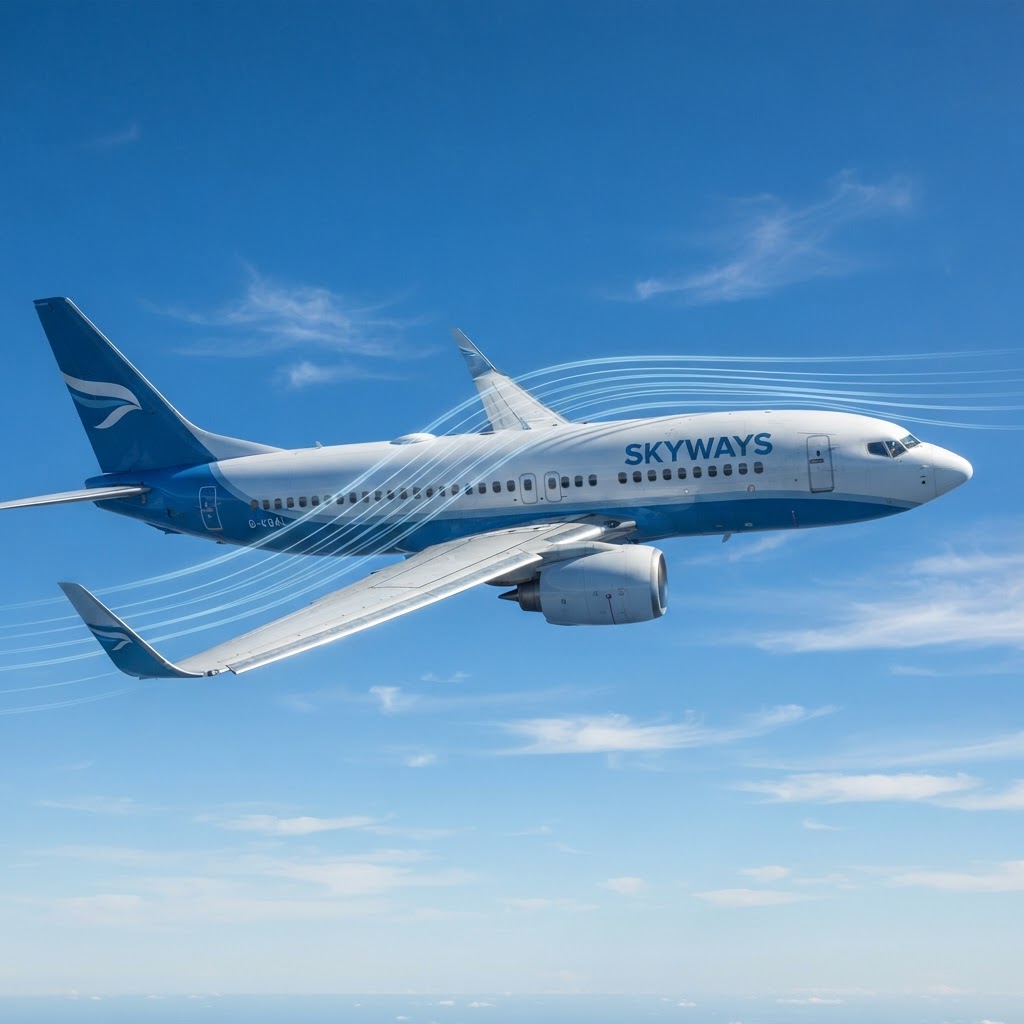
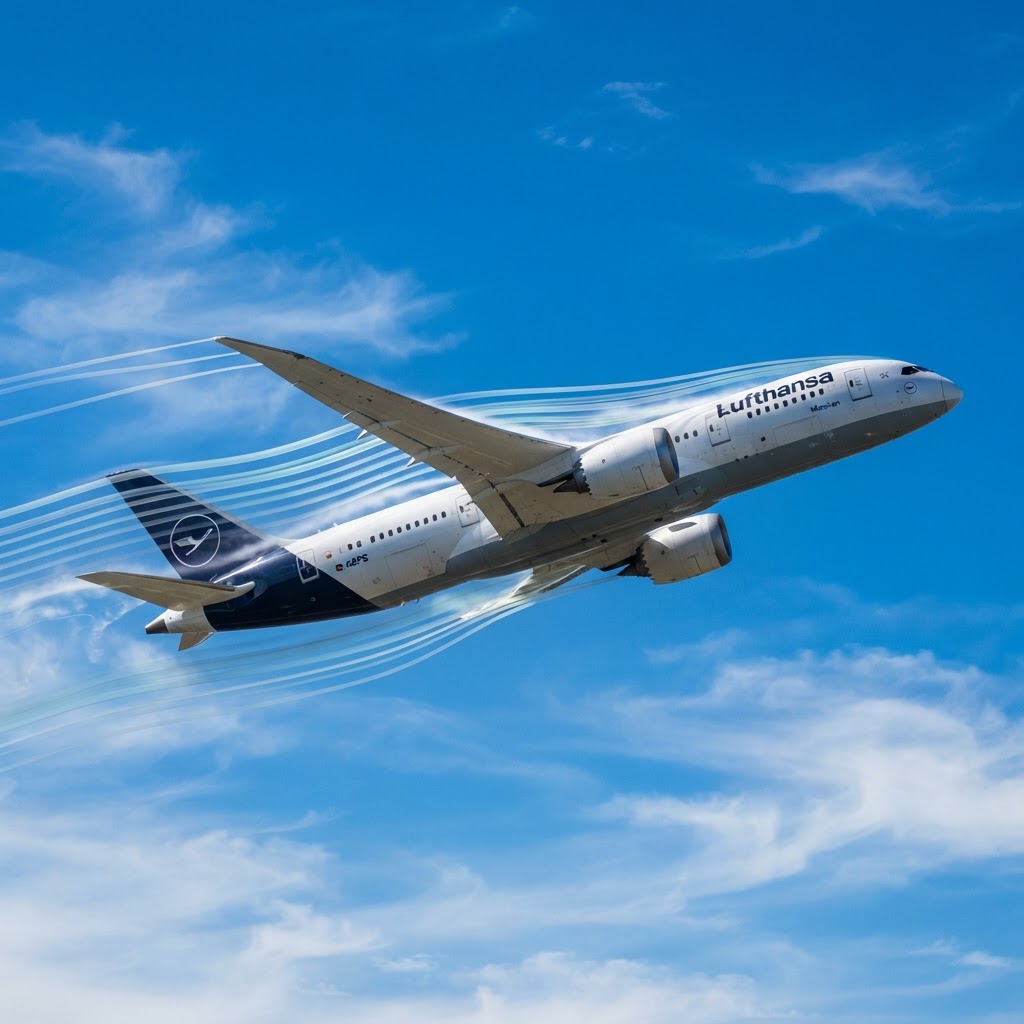
Aeroplanes fly by generating lift through wing-shaped structures called aerofoils, which manipulate air pressure to counteract gravitational force.
Key Takeaways
- 1.Flight is governed by the four forces: lift, weight, thrust, and drag.
- 2.Aerofoils create a pressure difference where the air pressure below the wing is higher than above it, generating lift.
- 3.Control surfaces like ailerons, elevators, and rudders allow pilots to maneuver the aircraft by redirecting airflow.
Think of it like this
An aeroplane wing acts like a snow shovel held at an angle into the wind, where the redirected air pushes the wing upward just as the snow pushes the shovel out of your hands.
Aeroplanes fly by mastering the fundamental forces of physics that dictate how air interacts with engineered surfaces to create lift. This complex process relies primarily on the manipulation of air pressure and velocity, allowing a machine weighing hundreds of thousands of pounds to defy gravity through aerodynamic-lift. By utilizing the bernoulli-principle and Newton’s Third Law of Motion, wings generate a pressure differential that pulls the aircraft upward. When the forward thrust produced by jet engines exceeds the drag exerted by air resistance, the resulting speed allows the wing shape to dictate the flow of air. This movement creates an environment where atmospheric pressure beneath the wing is significantly higher than the pressure above it, successfully overcoming the downward pull of Earth's gravity to sustain flight at high altitudes.
For kids: Aeroplanes fly by pushing air downwards with their wings, which creates an invisible force called lift that pushes the plane up into the sky like a giant, fast-moving kite.
1. What It Is
Aerodynamic flight is the act of controlled movement through an atmosphere using mechanical means to generate lift and thrust. It requires a harmony between four primary forces: lift, weight, thrust, and drag, which must be perfectly balanced for stable travel. Engineers design airfoil shapes that are curved on top and flatter on the bottom to accelerate air movement across the upper surface. This curvature ensures that the air travelling over the wing must move faster than the air passing beneath it. As the air velocity increases on the top surface, the static air pressure drops according to established fluid dynamics, creating the necessary suction effect to maintain steady flight.
2. How It Works
Flight works through the precise interaction of fluid dynamics, where air behaves as a fluid moving over the aircraft's control surfaces. According to a study published by the National Aeronautics and Space Administration, the lift generated is proportional to the square of the airspeed and the air density. For example, a Boeing 747-8 creates enough lift to support a maximum takeoff weight of 987,000 pounds by accelerating to roughly 180 miles per hour. This mechanism was famously demonstrated during the first flight of the Wright Flyer in 1903, which travelled 120 feet in 12 seconds by achieving a precise balance between propeller-driven thrust and wing-generated lift. Modern commercial jets maintain this balance using sophisticated fly-by-wire systems that adjust flap angles within milliseconds to manage air pressure gradients across the wing span.
3. Why It Matters
Understanding the mechanics of flight is essential for the continuous evolution of global transportation and logistical efficiency. By optimizing wing designs and engine performance, aerospace manufacturers have reduced the carbon footprint of individual flights by approximately 2% annually since 2010. This progress directly impacts how we move goods across oceans, allowing perishable items and critical medical supplies to traverse thousands of miles in mere hours. Furthermore, mastering these physical principles enables the development of safer aircraft that can withstand extreme weather conditions and turbulent air masses. As we transition toward sustainable-aviation-fuel, the foundational physics of lift remains the constant variable that engineers must leverage to ensure efficient, heavy-lift transport capabilities in an increasingly interconnected global economy.
| Force | Definition | Role in Flight | | :--- | :--- | :--- | | Lift | Upward force | Overcomes weight | | Weight | Downward pull | Earth's gravity | | Thrust | Forward force | Provided by engines | | Drag | Backward resistance | Slows the aircraft |
4. In Summary
Aeroplanes successfully achieve flight by balancing the four physical forces of lift, weight, thrust, and drag through precise wing geometry and engine power. By accelerating air over a curved wing surface, the aircraft creates a pressure differential that lifts the fuselage, allowing for controlled navigation across long distances.
5. Further Reading
- https://en.wikipedia.org/wiki/Lift_(force)
- https://www.grc.nasa.gov/WWW/K-12/airplane/bern.html
- https://www.noaa.gov/jetstream/atmosphere/how-atmosphere-works
- https://www.nature.com/subjects/aerodynamics
Common Misconceptions
The Bernoulli principle is the only reason wings generate lift.
While pressure differences matter, Newton's third law—the downward deflection of air—is equally essential for explaining how lift is produced.
Jet engines are responsible for keeping a plane in the sky by pushing it upward.
Jet engines produce forward thrust; the wings are the specific components responsible for converting that speed into upward lift.
Frequently Asked Questions
What are the four forces of flight?
The four forces are lift, weight, thrust, and drag.
How does an aeroplane turn?
Pilots use control surfaces like ailerons, elevators, and rudders to change the aircraft's pitch, roll, and yaw.
Do planes need engines to stay in the air?
Engines provide thrust to maintain the speed required for lift, but planes can glide for a distance if the engines fail by converting potential energy into lift.
Does air pressure really lift a plane?
Yes, Bernoulli's principle explains that faster-moving air creates lower pressure, allowing higher pressure underneath the wing to push the aircraft upward.
Key Terms
- Aerofoil
- A wing shape designed to produce lift when moved through a fluid like air.
- Angle of Attack
- The angle between the oncoming air and the chord line of the wing.
- Drag
- The aerodynamic force that opposes an aircraft's motion through the air.
- Thrust
- A mechanical force generated by an engine to move an object forward.
📖 Get AI explanations on related topics:
Explore aeroplanes at every level
Get a aeroplanes explanation tailored for Kid, Teen, and Expert levels — with cited sources and follow-up quizzes.
Explain aeroplanes for me