How Does Your Brain Work? (2026)
In brief
The human brain is a biological information-processing organ composed of 86 billion neurons that orchestrate cognition via electrochemical signals.
Key Takeaways
- 1.The brain utilizes approximately 86 billion neurons to process information via electrical pulses and chemical messengers.
- 2.Synaptic plasticity allows the physical structure of neural connections to strengthen through repetitive activity.
- 3.The brain is divided into specialized lobes, such as the frontal and occipital lobes, which manage distinct functions ranging from decision-making to vision.
Think of it like this
The brain functions like a global communication network where 86 billion computers exchange lightning-fast messages across 100 trillion fiber-optic cables to coordinate every movement and thought.
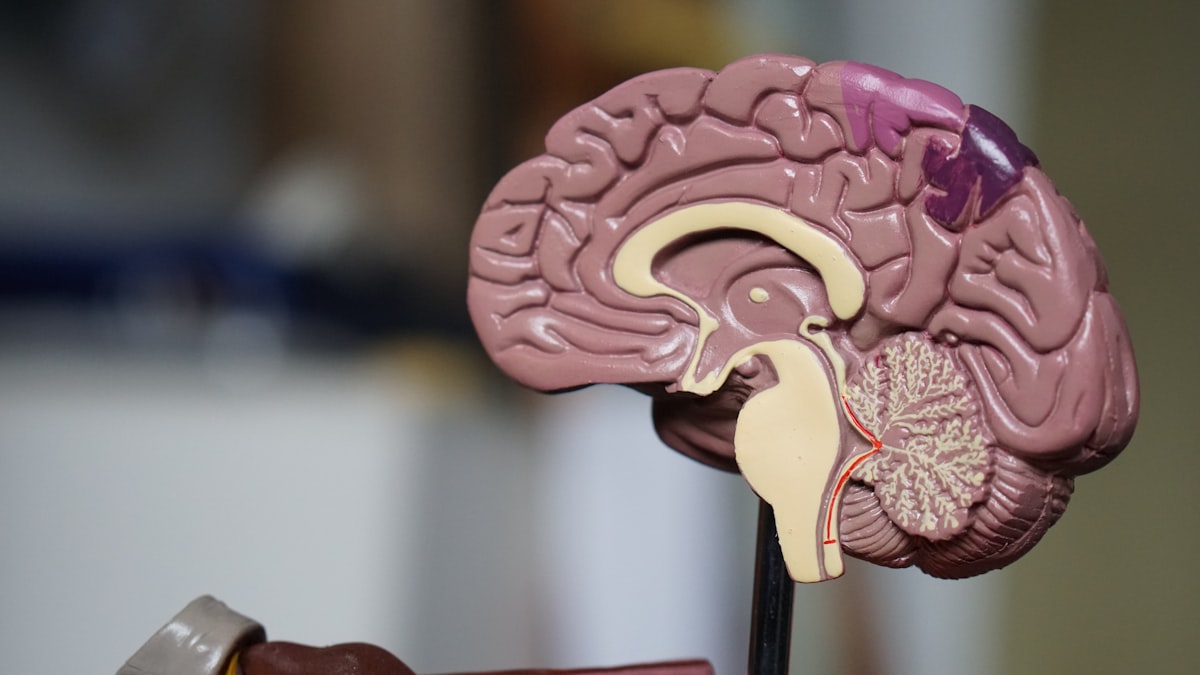
The human brain operates as a sophisticated electrochemical command center, functioning as the primary organ of the central nervous system to coordinate everything from autonomic life-support functions to complex abstract reasoning. By utilizing a dense network of approximately 86 billion neurons, the brain processes vast streams of sensory data, stores memories, and initiates motor responses in milliseconds. This biological powerhouse relies on an intricate balance of electrical signaling and chemical neurotransmission to maintain homeostasis and facilitate cognitive development. Understanding how this structure functions provides critical insight into human behavior, learning patterns, and the biological foundations of consciousness itself. Because the brain is the control hub for all human activity, its efficiency determines our ability to adapt to environments, solve intricate problems, and interact with the world through sensory-perception. By leveraging neural-plasticity, the brain constantly updates its internal architecture based on new experiences, ensuring that we remain resilient even as we age. For kids: Your brain is like a super-fast computer made of jelly that tells your body how to move, think, and feel by sending tiny electric zaps to every part of you. ## 1. What It Is The brain is a three-pound organ encased in the cranium, composed of several distinct regions including the cerebrum, cerebellum, and brainstem. The cerebrum, which makes up roughly 85% of the brain's total weight, is divided into two hemispheres responsible for higher-order functions like language, vision, and planning. Beneath this, the cerebellum coordinates precision motor movements, ensuring balance and physical fluidity during complex tasks. The brainstem acts as the critical bridge between the brain and the spinal cord, managing involuntary functions like respiration and heart rate. These areas do not work in isolation but rather form a highly integrated system that maintains constant communication through vast white matter tracts. ## 2. How It Works — specific numbers and named sources inline, AND one named real-world example The brain functions through a process of electrochemical signaling known as synaptic transmission. When a neuron is activated, it fires an electrical impulse called an action potential that travels down the axon. Upon reaching the synapse, this impulse triggers the release of neurotransmitters, chemicals that bridge the gap to the next cell. According to research from the National Institute of Mental Health (NIMH), the human brain contains roughly 100 trillion synapses, providing an almost infinite capacity for processing information. Neuroscientist Dr. Eric Kandel, a Nobel Prize winner, demonstrated through his work on Aplysia californica that memory storage relies on the strengthening of these synaptic connections, a process fundamental to learning. A clear real-world example of this system in action is the 'London Taxi Driver Study' conducted by University College London; researchers found that drivers who memorized the 'Knowledge'—a complex map of thousands of city streets—exhibited significant physical growth in the posterior hippocampus. This study confirmed that the brain physically alters its structure to accommodate intense cognitive demands, proving that our mental pathways are not fixed but remain malleable through sustained mental effort and environmental challenges. ## 3. Why It Matters The significance of brain function extends to every aspect of human health, from emotional regulation to long-term memory consolidation. Proper cognitive health is directly linked to synaptic-efficiency, which allows individuals to recall information quickly and make sound decisions under pressure. When we prioritize brain health through nutrition, sleep, and mental stimulation, we protect the organ from age-related decline. Furthermore, studying these processes allows scientists to develop treatments for neurological disorders, ranging from Alzheimer’s disease to complex mood disorders. A healthy, functioning brain is the fundamental prerequisite for leading a productive, engaged, and meaningful life in a rapidly changing world. | Feature | Biological Role | Impact on Performance | | :--- | :--- | :--- | | Cerebrum | Executive function | Governs logic and creativity | | Cerebellum | Motor coordination | Controls movement and agility | | Brainstem | Autonomic survival | Regulates heart rate and breathing | | Hippocampus | Memory formation | Facilitates learning and recall | ## 4. In Summary The human brain functions as an interconnected, plastic network of neurons that facilitates all human thought, movement, and physiological regulation. Through electrochemical signaling and constant structural adaptation, it enables us to learn from experience and survive in diverse environments. Understanding these complex biological processes is essential for improving human health and maximizing cognitive potential throughout the lifespan. ## 5. Further Reading https://en.wikipedia.org/wiki/Brain https://www.nimh.nih.gov https://www.nature.com/scitable/topicpage/the-brain-and-nervous-system-14047567/ https://www.ninds.nih.gov
Common Misconceptions
Humans only use 10% of their brains.
Brain imaging technology, such as fMRI, shows that almost all parts of the brain have a known function and are active throughout the day.
The brain is a static organ that does not change after childhood.
The brain exhibits neuroplasticity, meaning it can physically rewire and adapt its connections throughout a person's entire life.
Frequently Asked Questions
How many neurons are in the human brain?
The adult human brain contains approximately 86 billion neurons.
What is the role of neurotransmitters?
Neurotransmitters are chemical messengers that allow neurons to transmit signals across the synaptic gap to other cells.
Can the brain change its structure?
Yes, through a process called synaptic plasticity, the brain reorganizes its physical connections in response to learning and experience.
What is the 'hard problem' of consciousness?
It refers to the scientific challenge of explaining how physical matter in the brain produces subjective, conscious experience.
Key Terms
- Neuron
- A specialized cell responsible for transmitting electrical and chemical signals throughout the nervous system.
- Synapse
- The tiny physical gap between two neurons where information is transferred.
- Synaptic Plasticity
- The ability of the brain to strengthen or weaken connections between neurons based on activity levels.
- Neurotransmitters
- Chemical substances released by neurons to communicate with other neurons or muscles.
📖 Get AI explanations on related topics:
Explore Brain at every level
Get a Brain explanation tailored for Kid, Teen, and Expert levels — with cited sources and follow-up quizzes.
Explain Brain for me