
Articles about: Science
Showing 33 articles
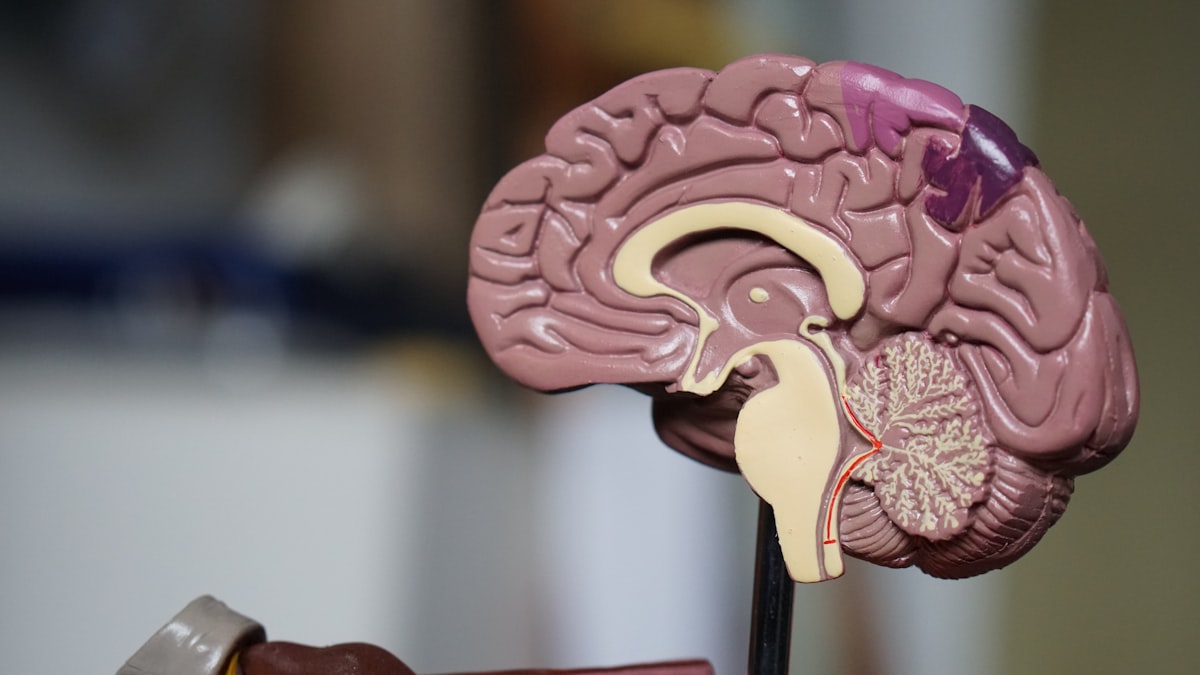
The human brain is a biological information-processing organ composed of 86 billion neurons that orchestrate cognition via electrochemical signals.

Climate change is the long-term shift in global temperatures and weather patterns primarily driven by human activities like burning fossil fuels.

The meaning of life is a philosophical and scientific inquiry exploring how humans construct purpose in the absence of inherent cosmic objectives.

Death is the irreversible cessation of all vital biological functions, marking the permanent loss of cardiac and brain activity in an organism.

Human life begins at fertilization when a sperm and egg merge, creating a zygote that undergoes division to develop into a fully formed infant.

Dreams are vivid mental experiences occurring during REM sleep that help the brain process information, consolidate memories, and regulate emotion.

Plants grow to survive and reproduce, using photosynthesis to convert environmental energy from sunlight into physical structure and biomass.

Cars move by converting fuel or electricity into rotational force that spins the wheels, generating power through engines or electric motors.

Human history records the shift from nomadic hunter-gatherer lifestyles to settled agricultural societies and rapid industrialization.

A rainbow is an optical phenomenon caused by the refraction, reflection, and dispersion of sunlight within falling rain droplets.

Sleep is a vital biological state of reduced consciousness that allows the brain and body to repair, reorganize, and consolidate memories.

Bird flight is the process of generating lift through aerodynamic forces acting on specialized wings to overcome the downward force of gravity.

The sky is blue because of Rayleigh scattering, where gas molecules in the atmosphere scatter shorter blue light waves more than other colors.

Human growth is a complex biological process characterized by the multiplication of cells and structural enlargement driven by hormones and genetics.

The Sun is hot because it generates immense energy through nuclear fusion in its core, converting hydrogen into helium under extreme pressure.

Volcanic eruptions are events where magma, gases, and ash rise from the Earth's mantle and crust to the surface due to extreme pressure and heat.

Rain is liquid water that falls from clouds when atmospheric conditions cause water vapor to condense into droplets too heavy to remain suspended in air.

The blue whale (Balaenoptera musculus) is the largest animal to have ever lived on Earth, reaching lengths of up to 100 feet and weighing 200 tons.

Aliens refer to any hypothetical life forms originating outside of Earth. Scientists have found no definitive evidence confirming their existence to date.

The non-avian dinosaur extinction was caused by the Chicxulub asteroid impact 66 million years ago, triggering a global climate catastrophe.

The immune system is a complex biological network of cells, tissues, and organs that detects and eliminates harmful pathogens like bacteria and viruses.

Photosynthesis is the process where plants, algae, and some bacteria convert light energy into chemical energy to fuel their growth.

The arrow of time is a physical concept describing the one-way progression of time from the past toward the future as mandated by increasing entropy.
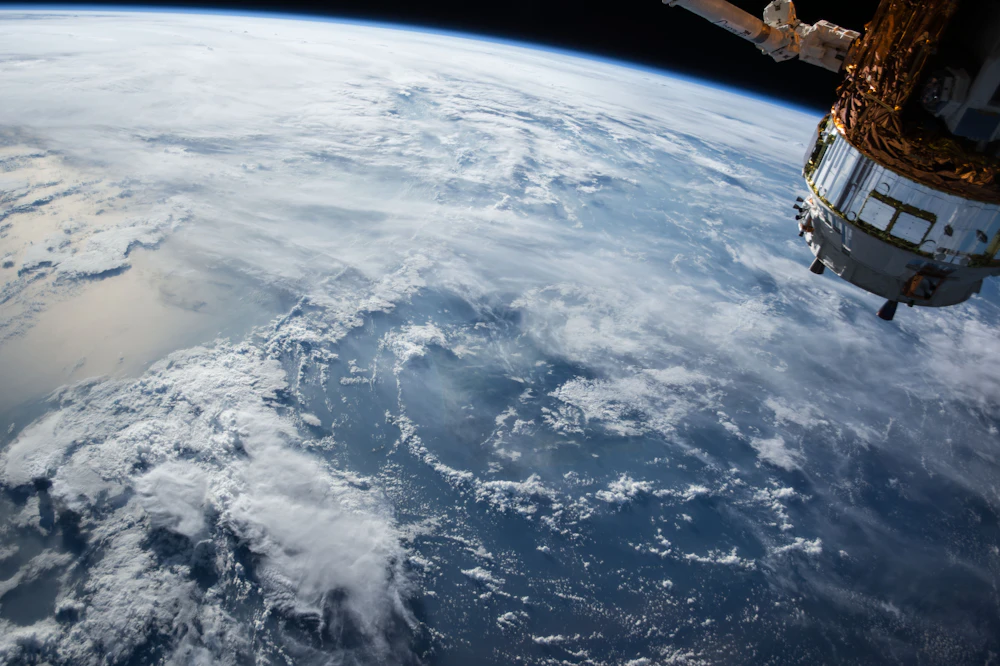
Gravity is the fundamental force of attraction between all objects with mass, dictating the motion of everything from falling apples to orbiting planets.
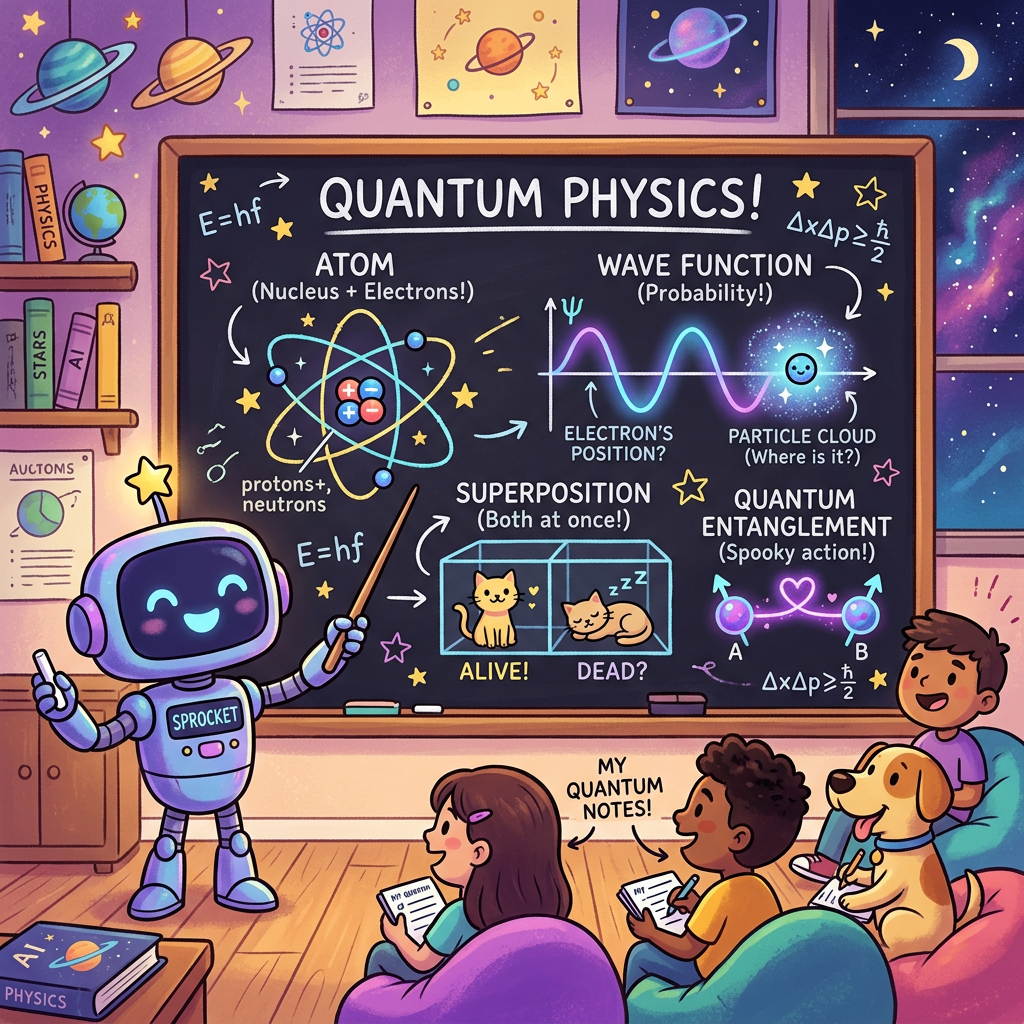
Quantum physics is the branch of science studying how matter and energy behave at atomic and subatomic scales where classical laws of motion fail.
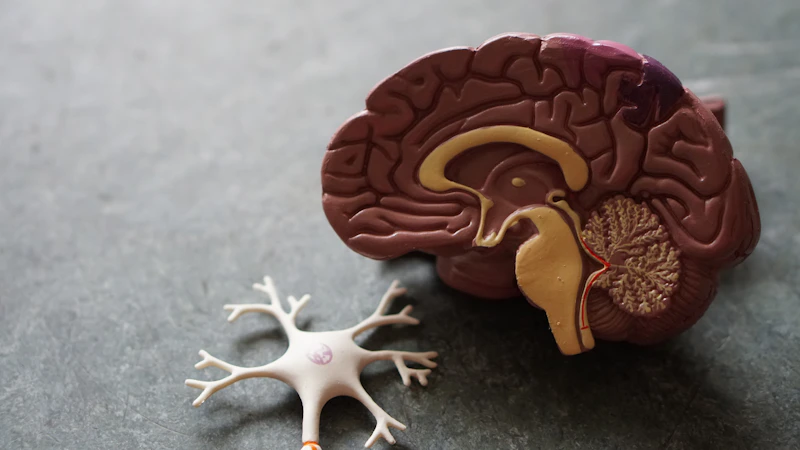
The human brain serves as the central command center of the nervous system, processing sensory data and sending signals to coordinate all bodily actions.

Electricity is the physical phenomenon arising from the existence and movement of electric charge, specifically electrons flowing through a conductor.

The Big Bang theory describes the origin of the universe as an initial expansion of space and time from a singular, extremely dense state.

DNA is a molecule carrying the unique genetic instructions used in the growth, development, and reproduction of all known living organisms.

Dark matter is a hypothetical form of matter that does not emit, absorb, or reflect light, accounting for roughly 85% of all matter in the universe.

Falling into a black hole means crossing the event horizon, a point of no return where gravity is so strong that not even light can escape.

Time is a physical dimension that describes the progression of events from the past through the present into the future, measured by entropy and relativity.

Quantum superposition is a fundamental principle of quantum mechanics where particles exist in all theoretically possible states until they are measured.