Articles about: Biology
Showing 13 articles

Human life begins at fertilization when a sperm and egg merge, creating a zygote that undergoes division to develop into a fully formed infant.

Plants grow to survive and reproduce, using photosynthesis to convert environmental energy from sunlight into physical structure and biomass.

Animals make sounds as a form of communication to survive, find mates, and establish territory, shaped by their unique physical anatomy.

Human reproduction occurs when an egg and sperm unite, allowing the resulting cell to develop within the uterus over a nine-month period.

Human growth is a complex biological process characterized by the multiplication of cells and structural enlargement driven by hormones and genetics.

The blue whale (Balaenoptera musculus) is the largest animal to have ever lived on Earth, reaching lengths of up to 100 feet and weighing 200 tons.

Metabolism is the set of chemical reactions in organisms that convert food into energy while building and repairing essential cellular components daily.

The immune system is a complex biological network of cells, tissues, and organs that detects and eliminates harmful pathogens like bacteria and viruses.

Photosynthesis is the process where plants, algae, and some bacteria convert light energy into chemical energy to fuel their growth.

The human brain is a complex biological organ composed of roughly 86 billion neurons that process information through electrical and chemical signals.
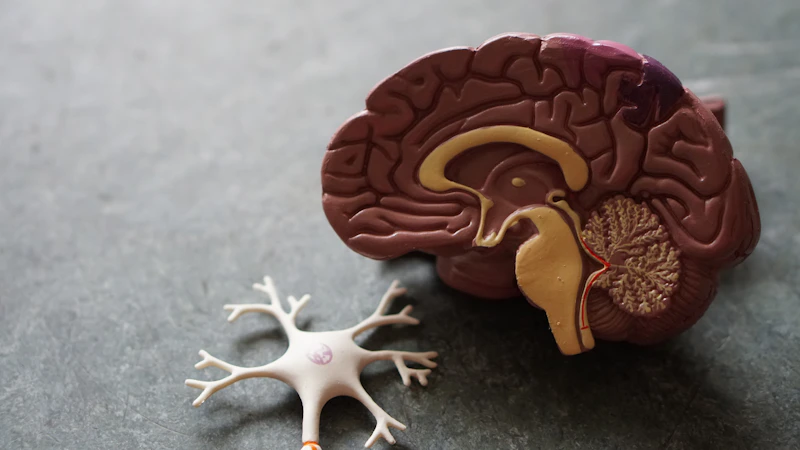
The human brain serves as the central command center of the nervous system, processing sensory data and sending signals to coordinate all bodily actions.

Sleep is a vital, recurring state of reduced consciousness and activity necessary for physical restoration, cognitive function, and metabolic regulation.

DNA is a molecule carrying the unique genetic instructions used in the growth, development, and reproduction of all known living organisms.